DESIGN STUDY — 03/05
2025–2026Sound+
Precision Sound for Your Daily Routine — a bathroom speaker extending the Braun Series 9 Sport+ razor's design language into a new product category.
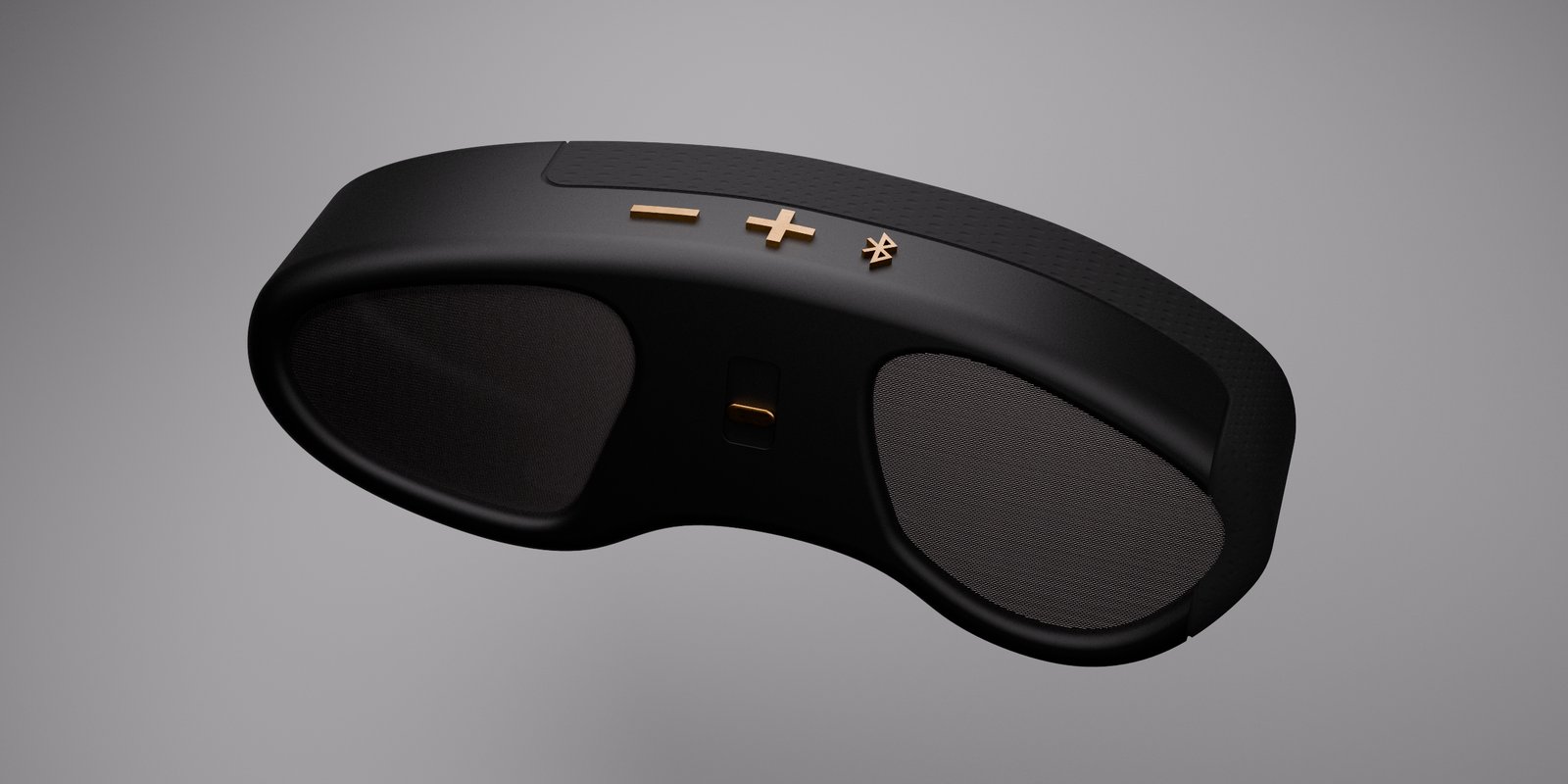
Precision Sound for Your Daily Routine
Sound+ brings the same level of precision, performance, and thoughtful engineering found in the Braun Series 9 Sport+ razor into a new product category. Designed specifically for the bathroom environment, the speaker balances durability, water resistance, and refined form to integrate seamlessly into everyday routines.
Formal Analysis
I analyzed the design attributes of the Braun Series 9 Sport+ razor by closely studying its form, materials, and overall user experience. I examined how the handle geometry, color accents, and surface finishes work together to create a product that feels both intentional and refined.
Special attention was given to how grip texture and weight distribution support ergonomic use and intuitive interaction. Through this analysis, I gained a deeper understanding of how Braun balances function, precision, and simplicity through subtle but highly controlled design decisions.
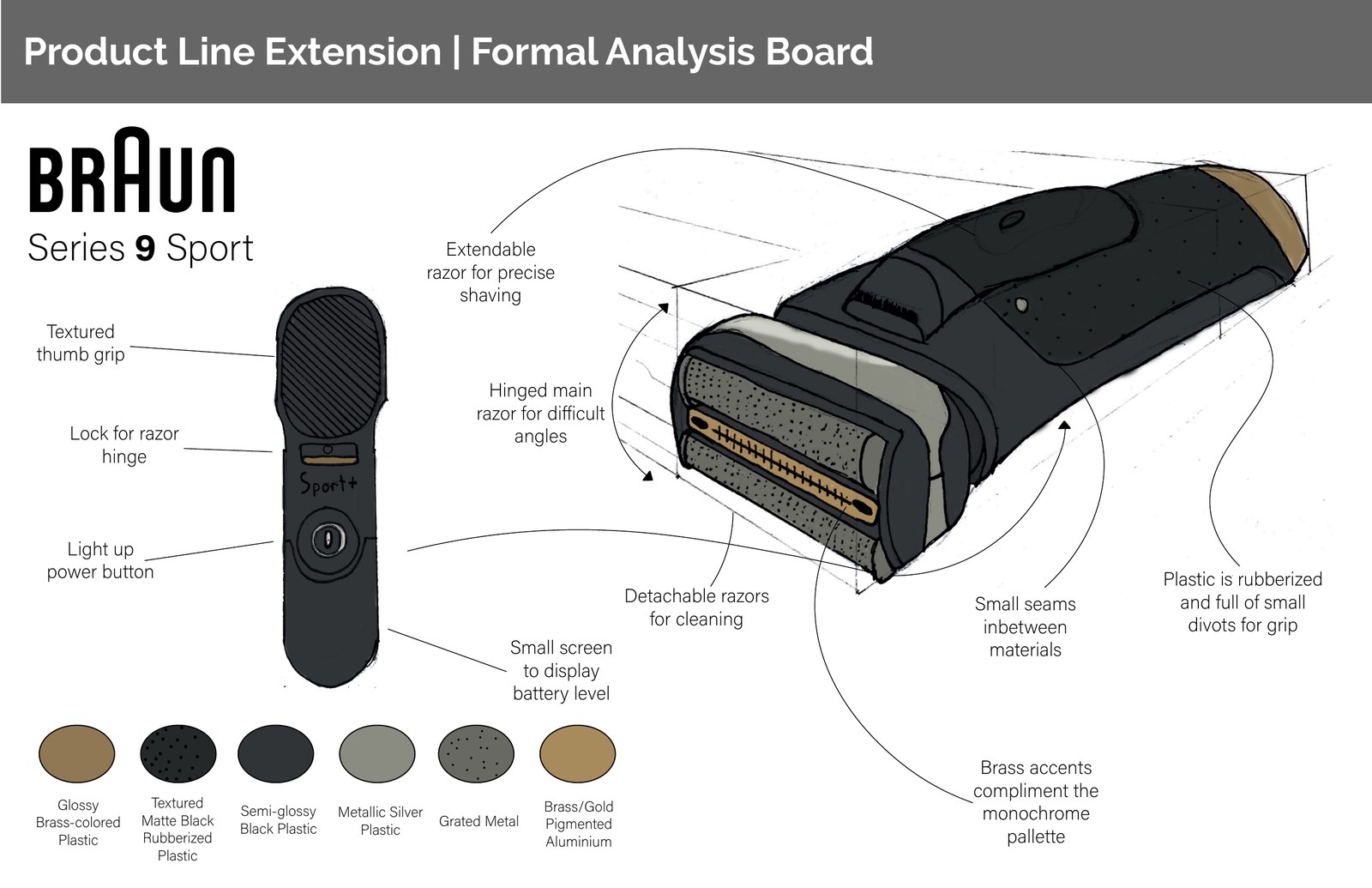
FIG. 3.1 — Formal analysis board: form language, materials, and hardware callouts from the source product
Maintaining the Organic Form Language
Maintaining the organic form language of the original product guided my design approach. Through orthographic exploration, I tested forms that balanced softness with restraint, using panel breaks to introduce visual interest and integrate material transitions inspired by the original razor.
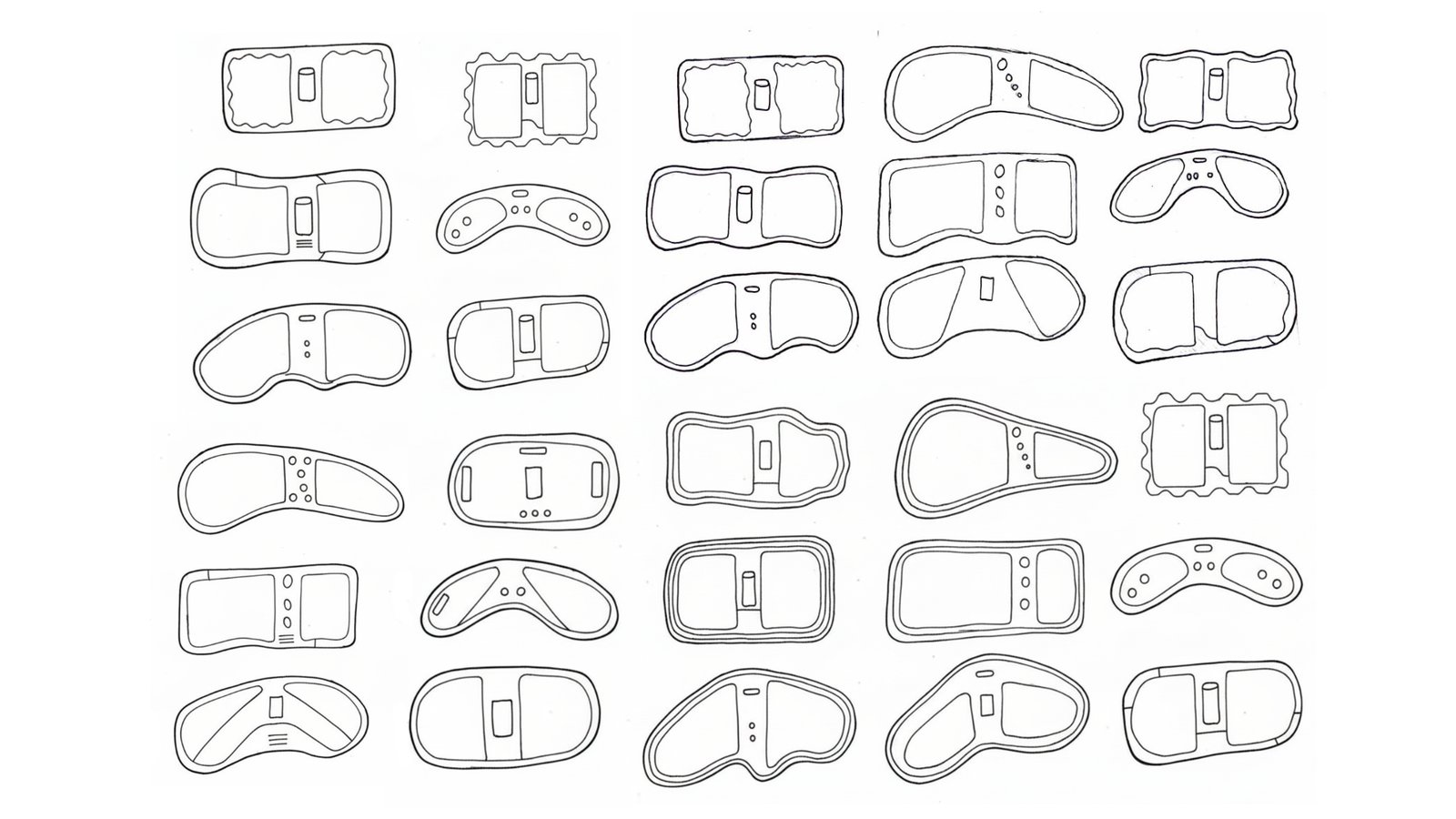
FIG. 4.1 — Orthographic ideation: 30 silhouette and control-layout variations
High-Fidelity Model
The physical modeling process began with low-fidelity mock-ups used to quickly explore scale, proportions, and overall presence. These early models helped refine the key dimensions and ergonomic relationships of the design before moving into high-fidelity fabrication. Once the proportions were finalized, a high-fidelity model was produced from PU foam, allowing the form, surface transitions, and visual weight of the design to be evaluated in real space and under real lighting conditions.
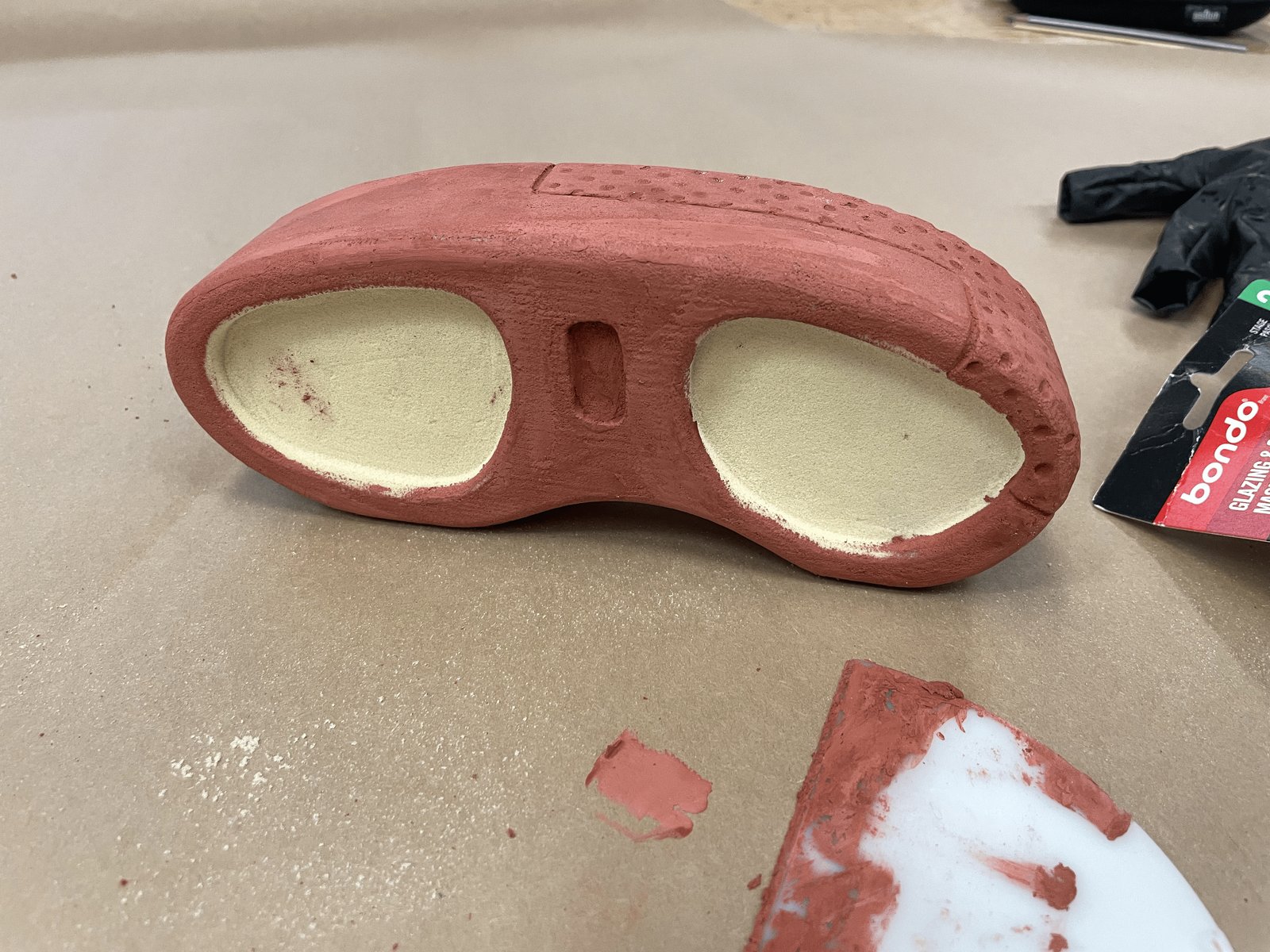
FIG. 5.1 — PU foam high-fidelity model, mid-fabrication
Final Painted Model
The finished physical model was painted, fitted with functional mesh speaker grilles, and detailed with metal control hardware to match the final CAD design — giving a true read on how the surfacing, material split, and brass accents would look and feel in hand.
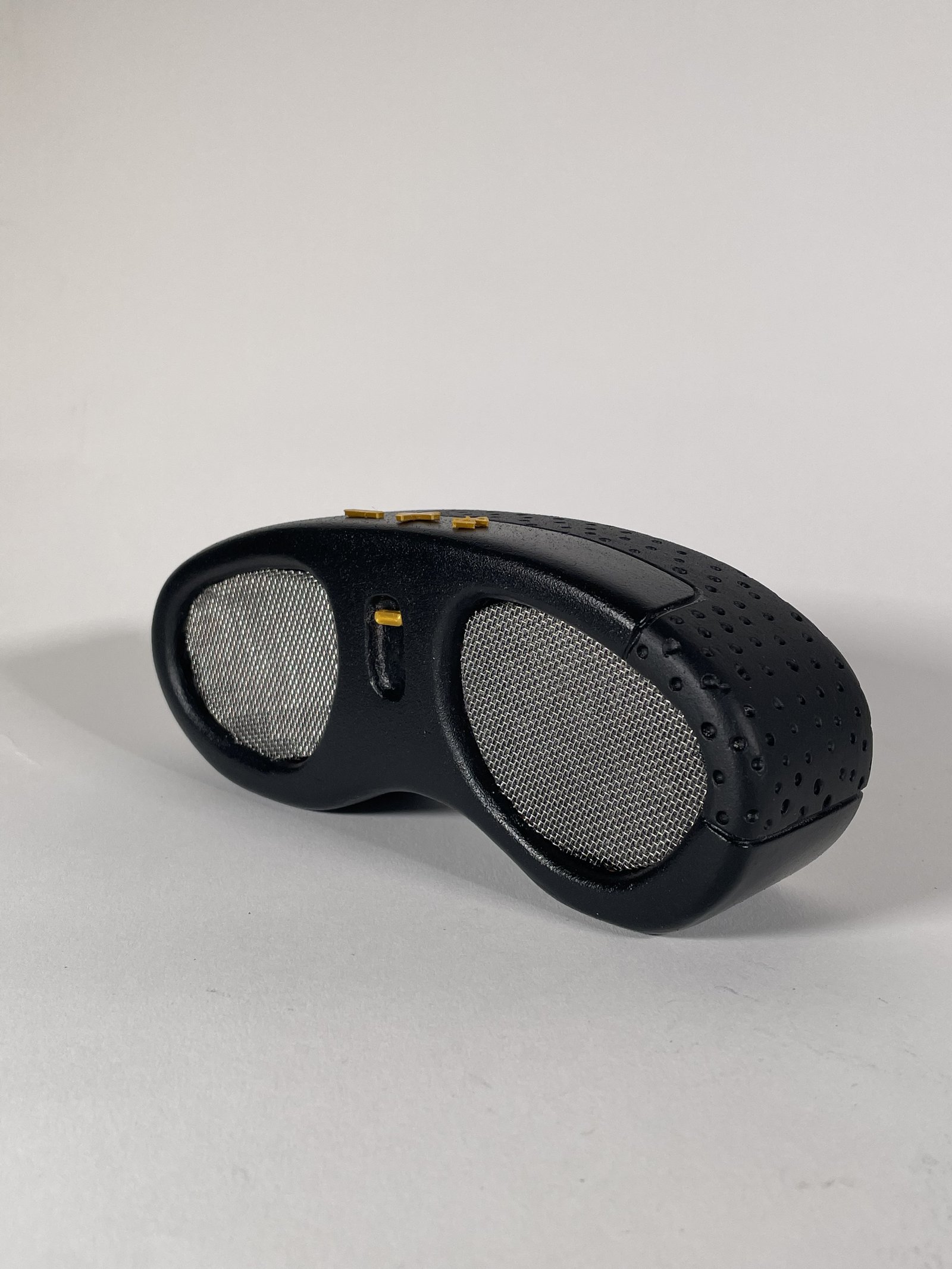
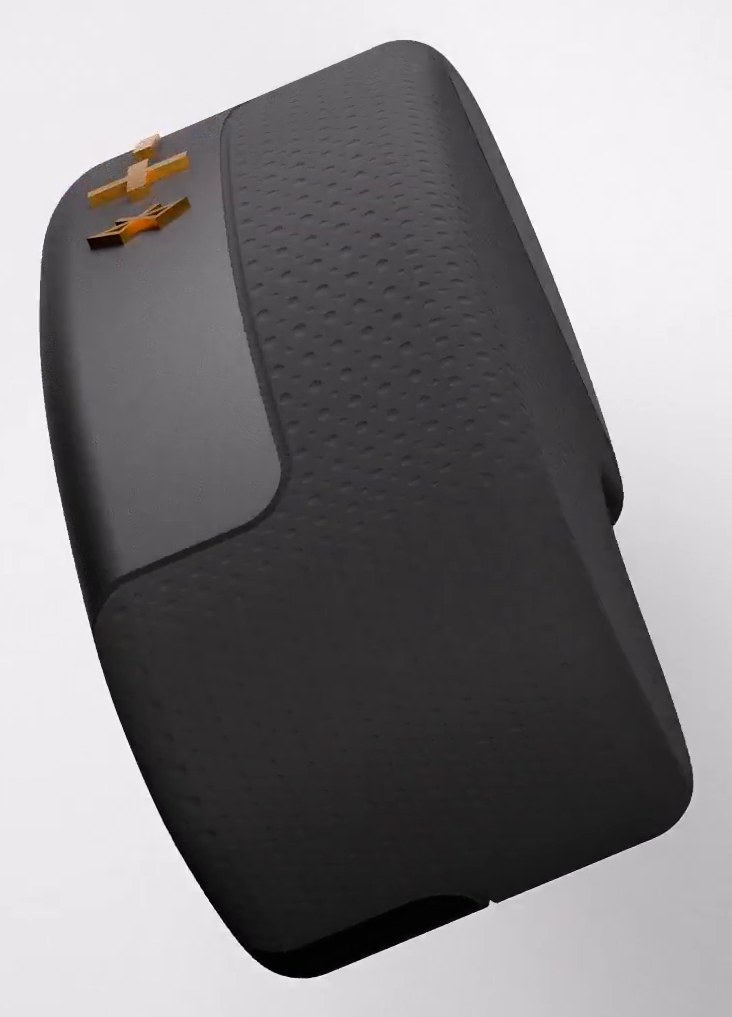
FIG. 6.1 — Final painted physical model (left) / rendered end-view detail (right)
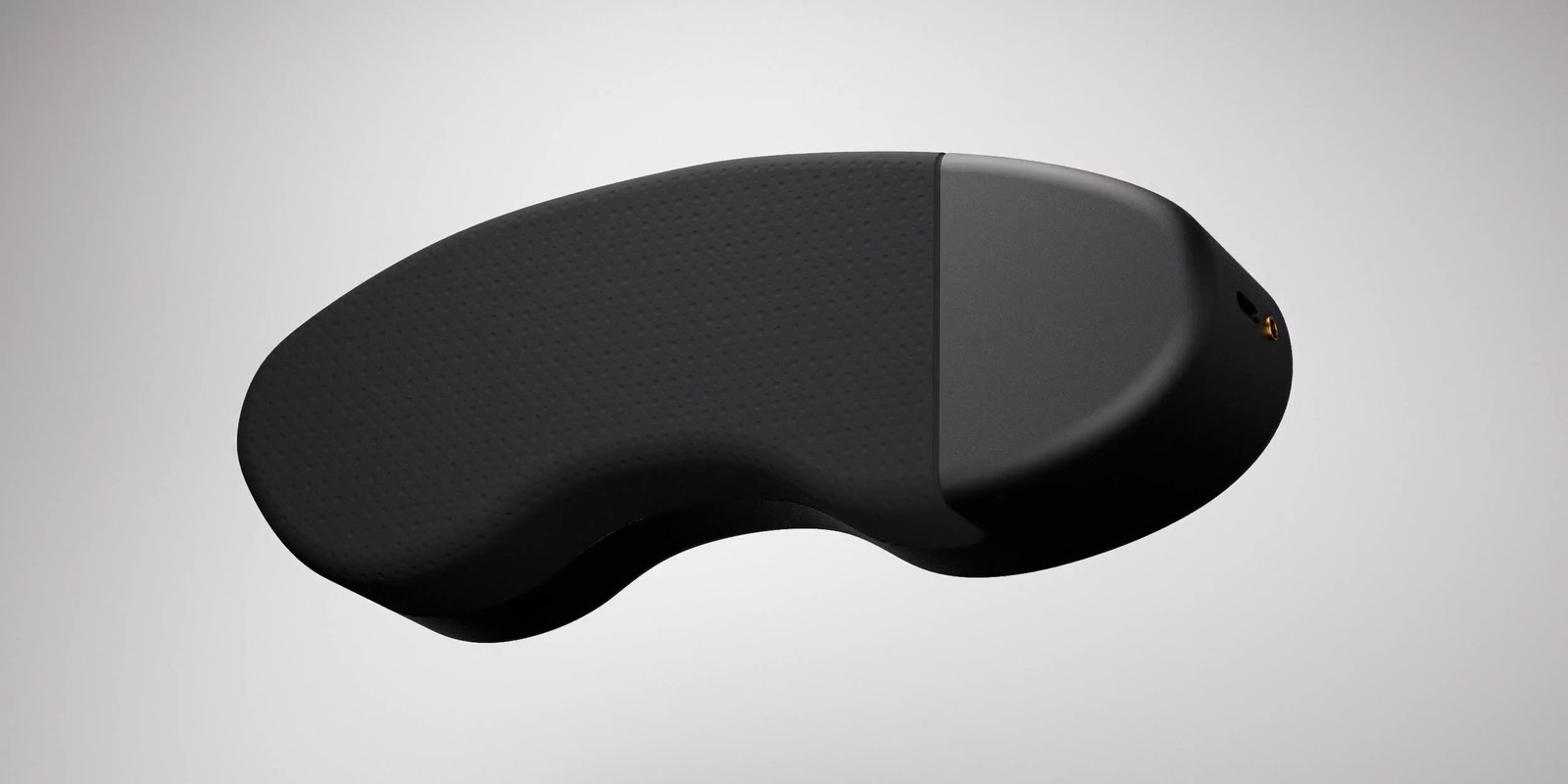
FIG. 6.2 — Top-down view: textured grip zone transitioning to smooth control surface